
Outreach
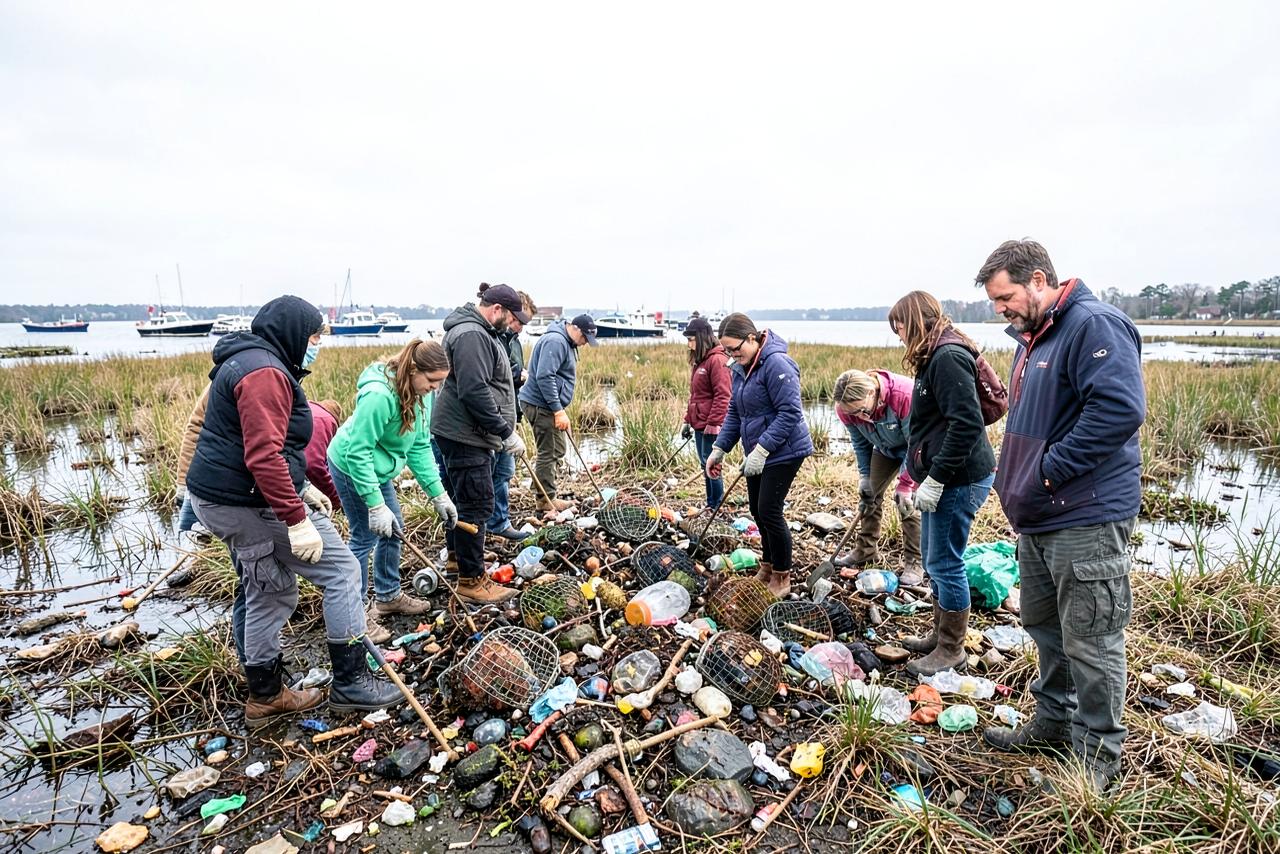
Marine Debris Reduction
Cleanups, derelict crab pot removal and prevention campaigns that keep plastic and gear out of the bays.
Learn
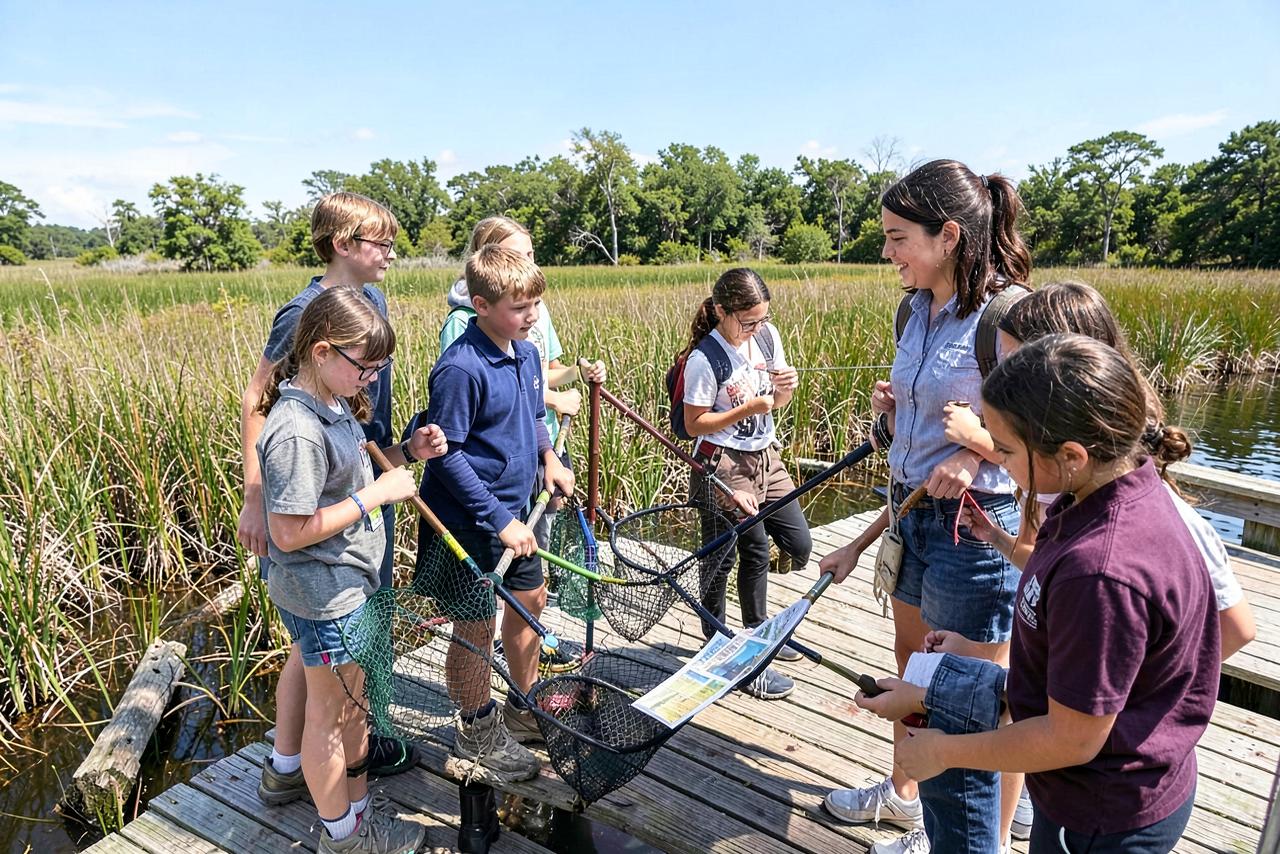
Students, teachers, boaters, gardeners and curious neighbours — the more people who understand this watershed, the better it gets looked after.
Education & outreach
Cleanups, derelict crab pot removal and prevention campaigns that keep plastic and gear out of the bays.
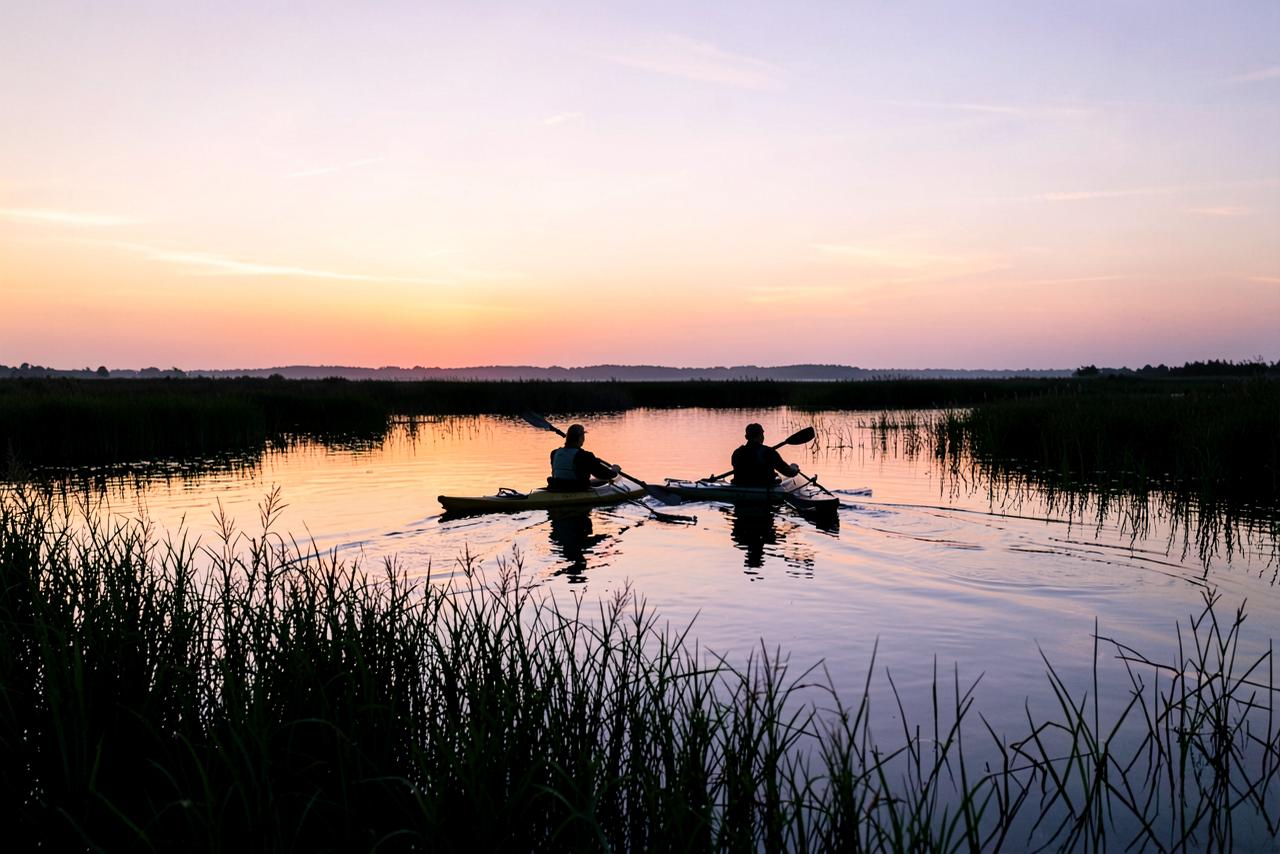
Guided paddles, talks, workshops and citizen science for residents and visitors of every age.
Meaningful watershed educational experiences that put local students in the marsh with real equipment.
Professional development, field trip support and classroom resources for teachers on the Lower Shore.
Resource library
The State of the Bays assessment, annual report cards, the Comprehensive Conservation and Management Plan and practical guides.
Ecosystem health grades for all five bays, with the indicators and thresholds behind each score.
A full synthesis of water quality, habitat, living resources and watershed pressures across the Coastal Bays.
The shared plan behind the partnership: goals, actions and responsibilities for restoring and protecting the Coastal Bays.
Long-term water quality and seagrass monitoring records used in the report cards and management decisions.
Species & habitat

Limulus polyphemus
Spawns on bay beaches in late spring; its eggs feed migrating shorebirds. Counted through volunteer spawning surveys.
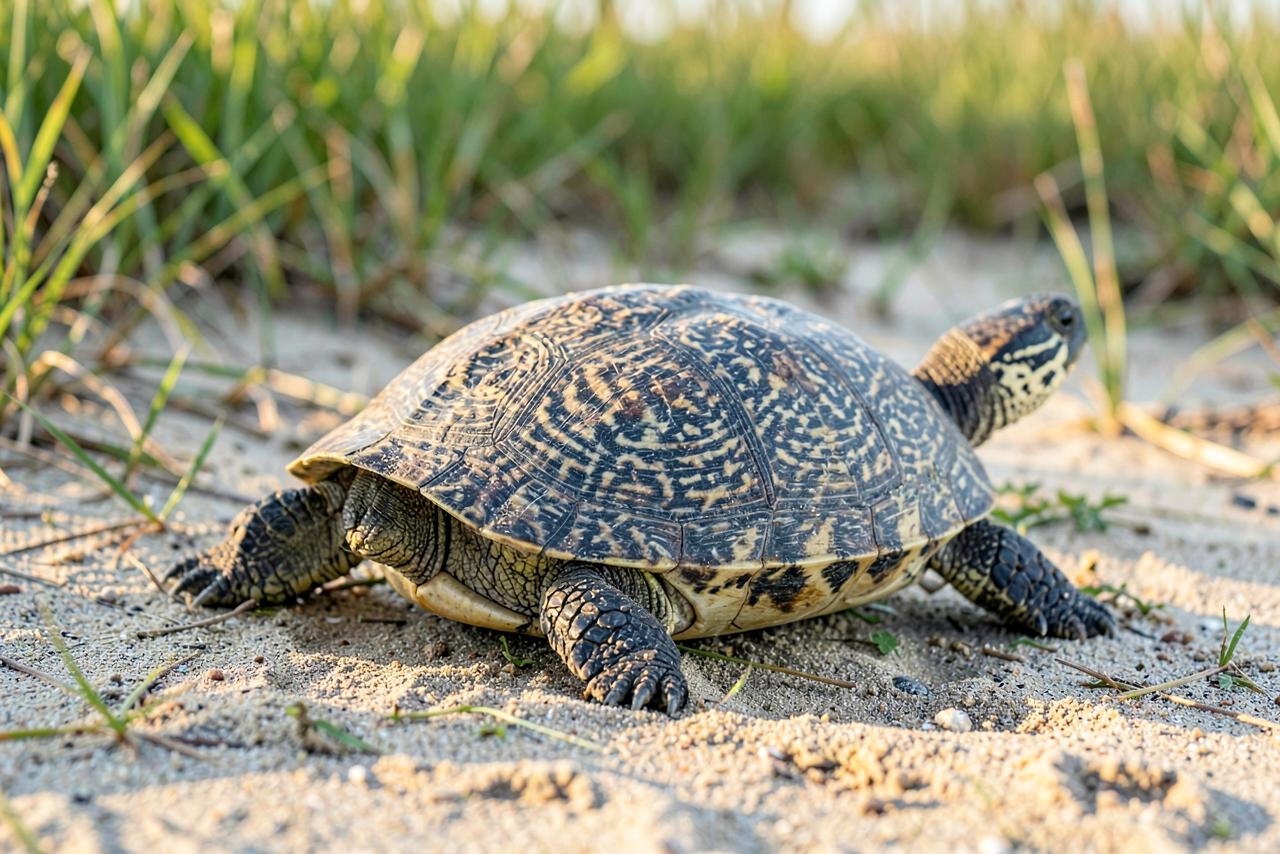
Malaclemys terrapin
Maryland's state reptile and the only North American turtle living exclusively in brackish water.

Sterna hirundo
A colonial waterbird nesting on low bay islands — the habitat most at risk from erosion and sea level rise.

Crassostrea virginica
A filter feeder and reef builder; oyster gardeners raise juveniles for planting on restoration reefs.
Stories & news

Coverage rose steadily from 1986 to 2001, then levelled off. The recent downward trend is the number our monitoring crews are watching most closely.

A hardened shoreline protects one property and costs the bay a habitat. Here's what replaced it, and what came back.
Late spring evenings, a measured transect and a clipboard. This is what the spawning survey looks like from the beach.
Stay informed
Get updates on upcoming events, program news and our monthly newsletter — monitoring results, restoration progress and ways to take part.